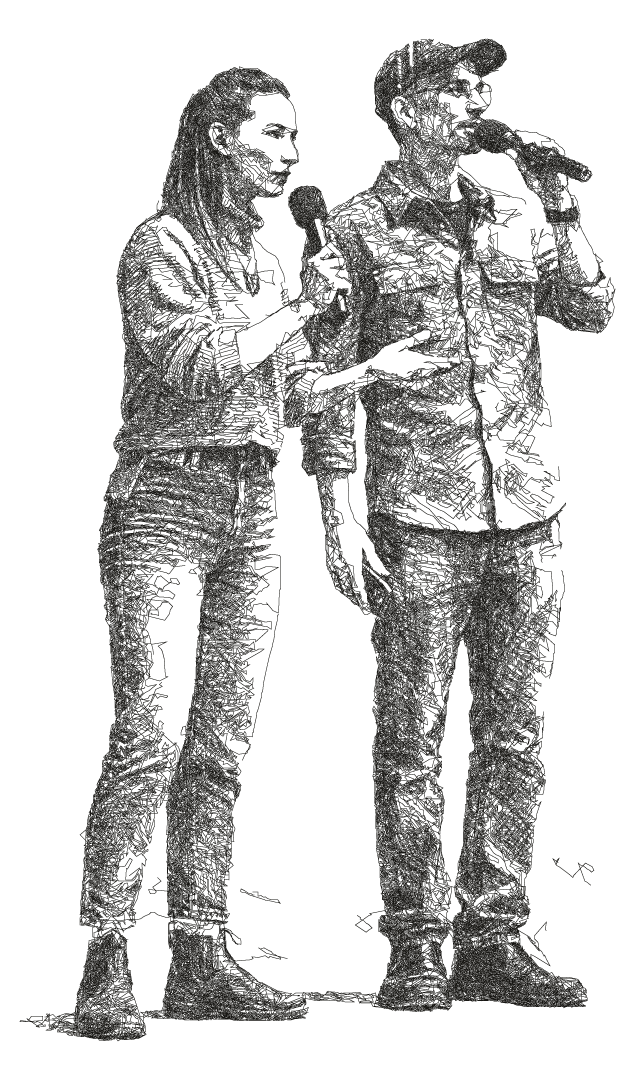
Stephanie and Isaac Budmen are bringing Applied Curiosity on tour in 2026.
If your audience builds things — or wishes they did — we'd like to come. This page is built to be read in ninety seconds. Everything you need to decide, and everything you'd need to forward to a colleague, is below.
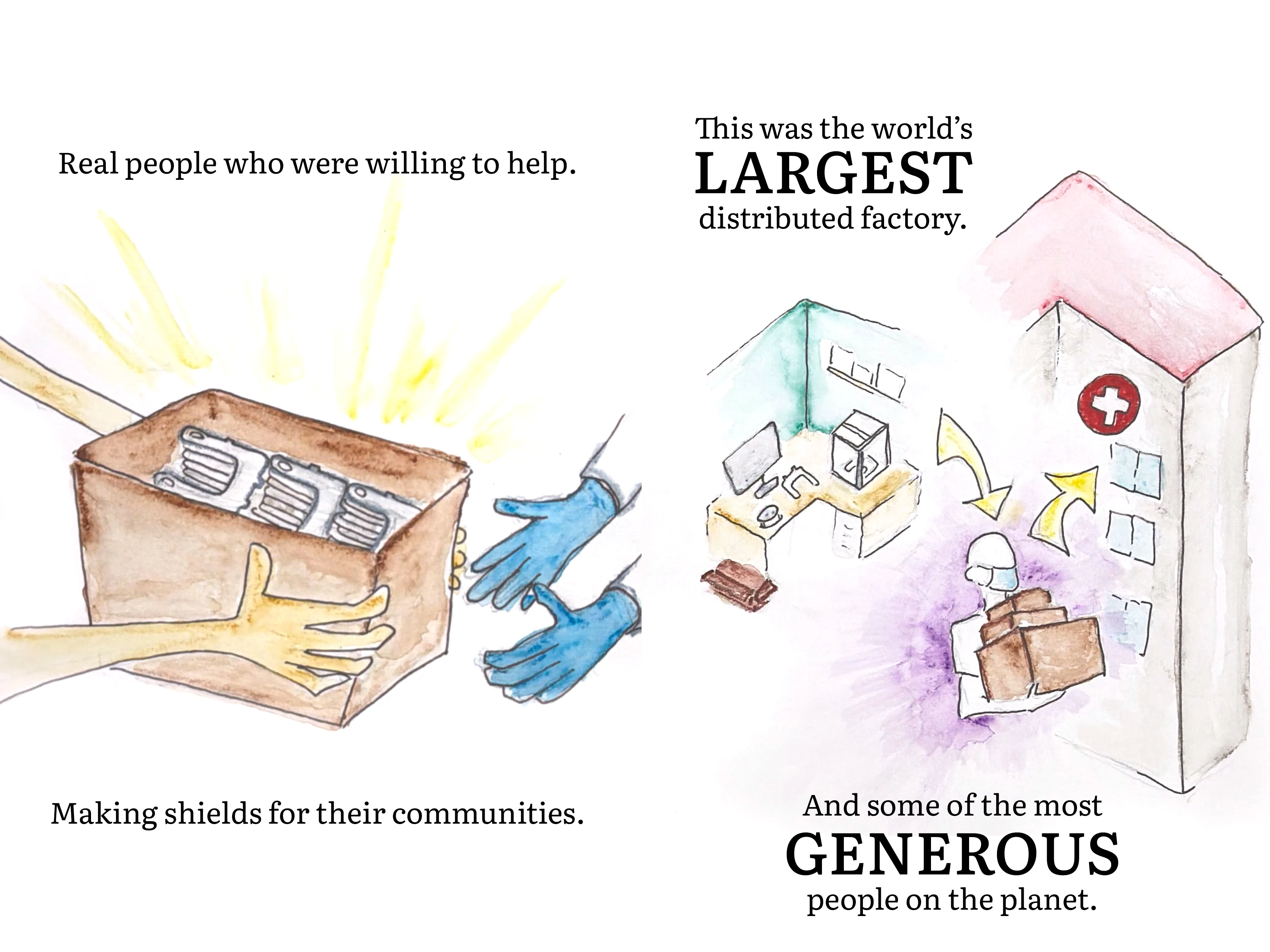
Stephanie + Isaac Budmen are inventors, designers, and educators based in Syracuse, New York. Their work has been exhibited at the Smithsonian, the Met, the London Science Museum, and Heinz Nixdorf. During the pandemic, they grew a distributed network of 8,000 households that produced 3.5 million face shields for hospitals. Under NSF funding, they've led inquiry-based education programs that have reached thousands of students. They run Budmen Industries, a working studio they've kept open for more than a decade.
2026Booking Summer & Fall windows2026 is the launch tour12 stops plannedLimited availability
Question 01What is this
A working session disguised as an author talk.
Stephanie and Isaac don't read from the book. They bring the questions that made it — and turn the room into the kind of working session their practice runs on.
Applied Curiosity is the method they've used for over a decade to build things that didn't exist yet: touchable replicas of untouchable museum artifacts, interactive sculptures with the world's first recognized cyborg, a pandemic factory grown across 8,000 homes. The book traces how. The tour brings the practice into your room.
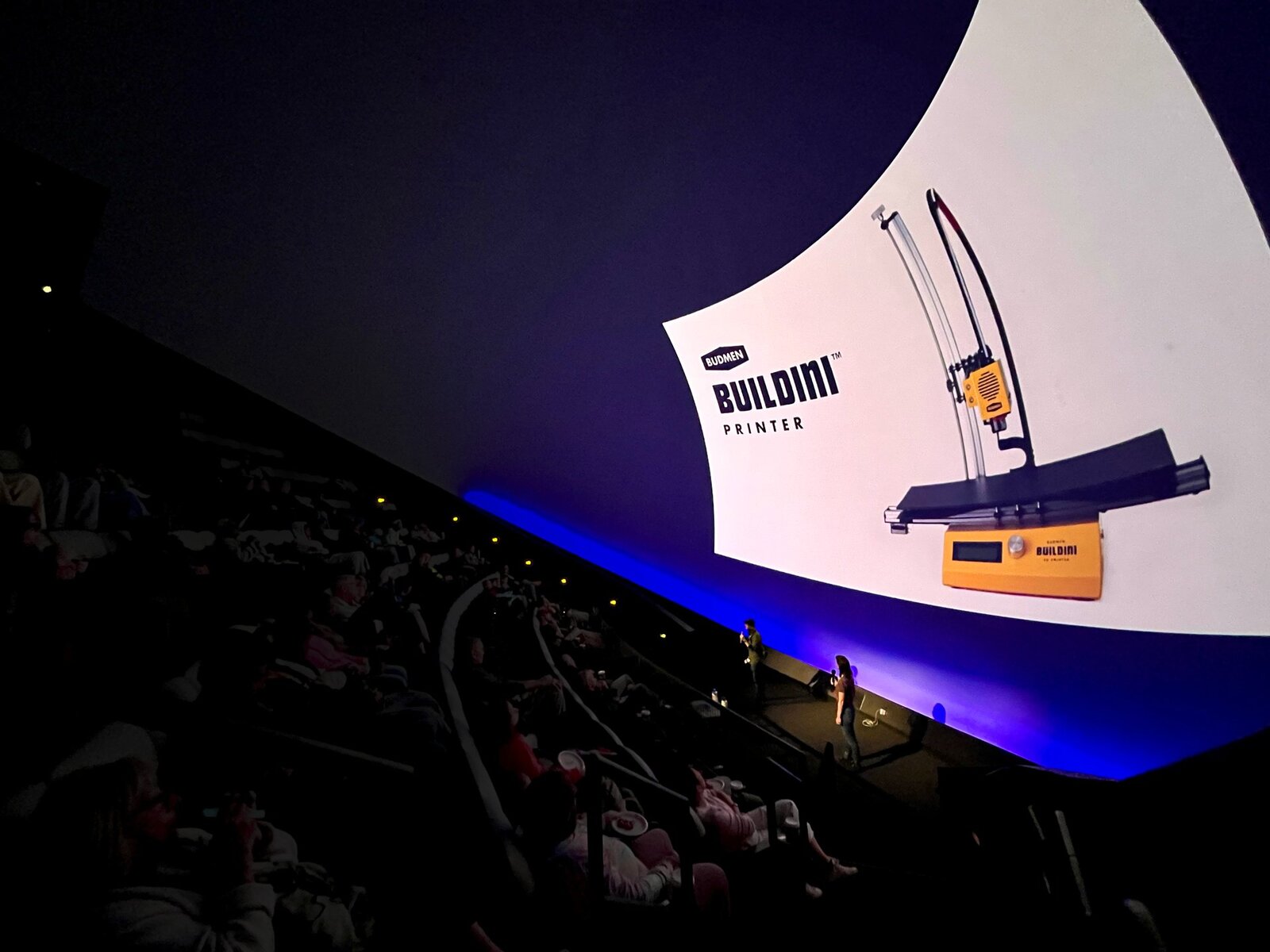
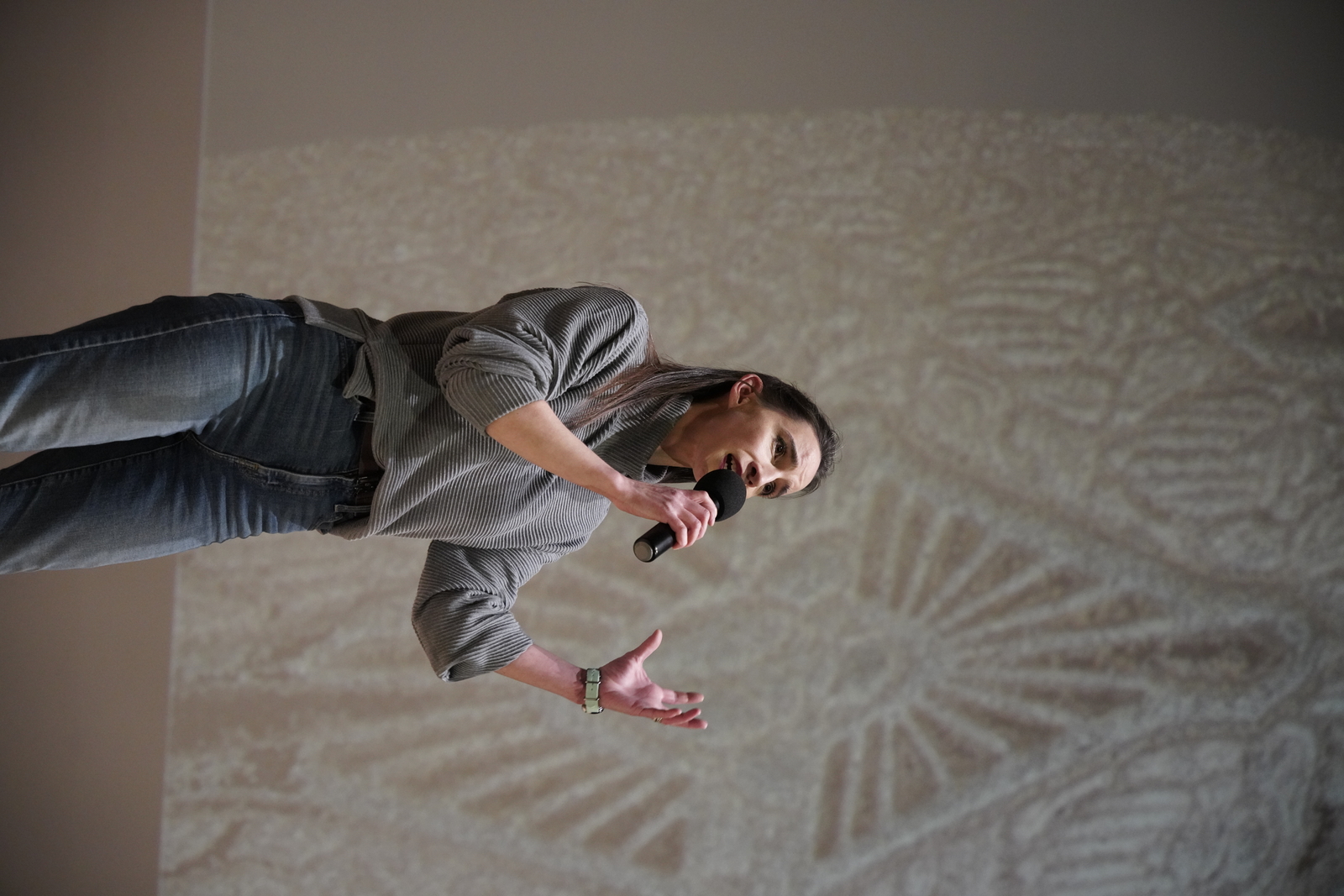
The Talk: Stephanie presenting in a planetarium dome — the Buildini printer they invented projected behind her
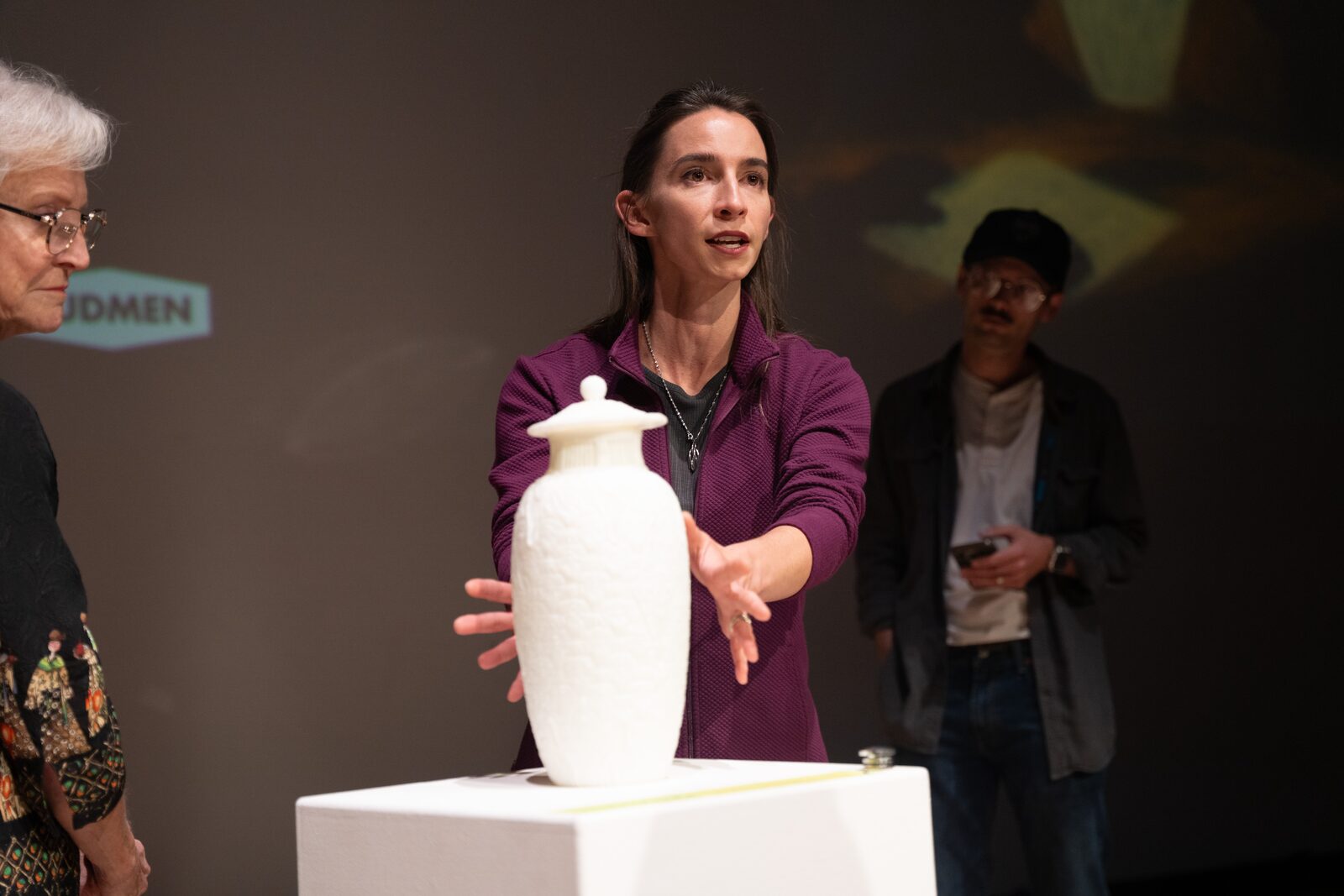
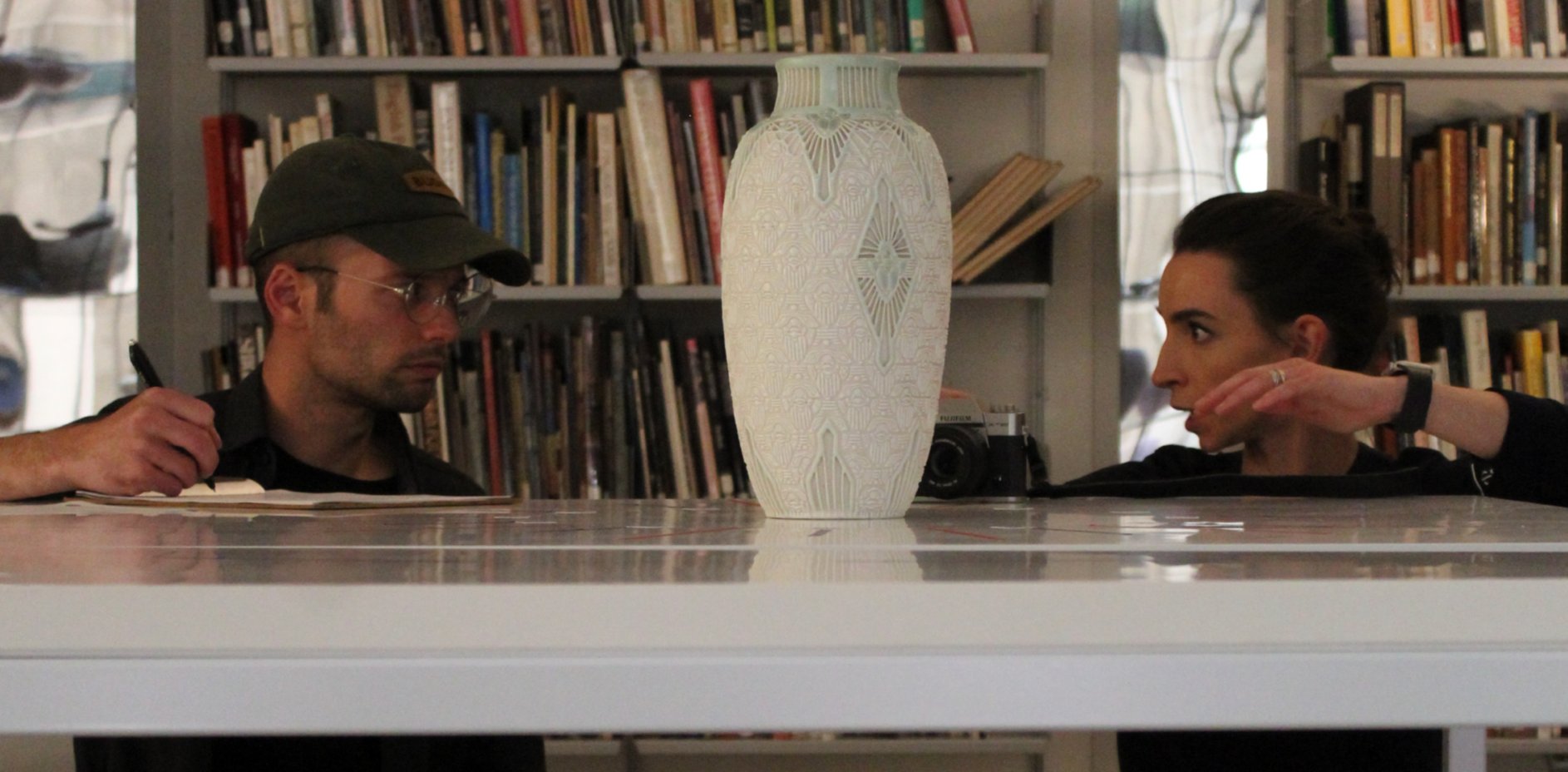
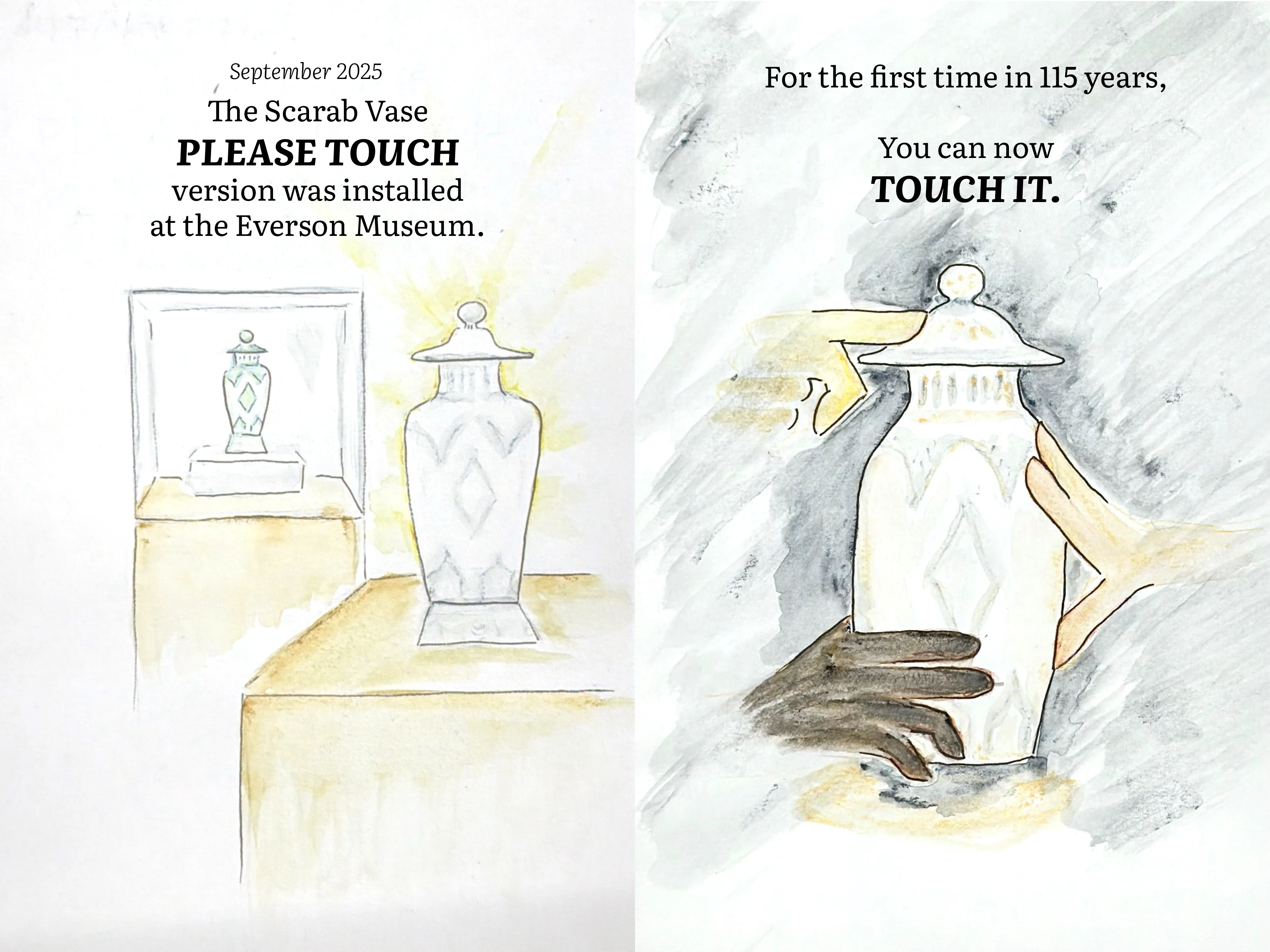
The Artifact: Introducing the Scarab Vase — a 115-year-old object the audience could touch for the first time
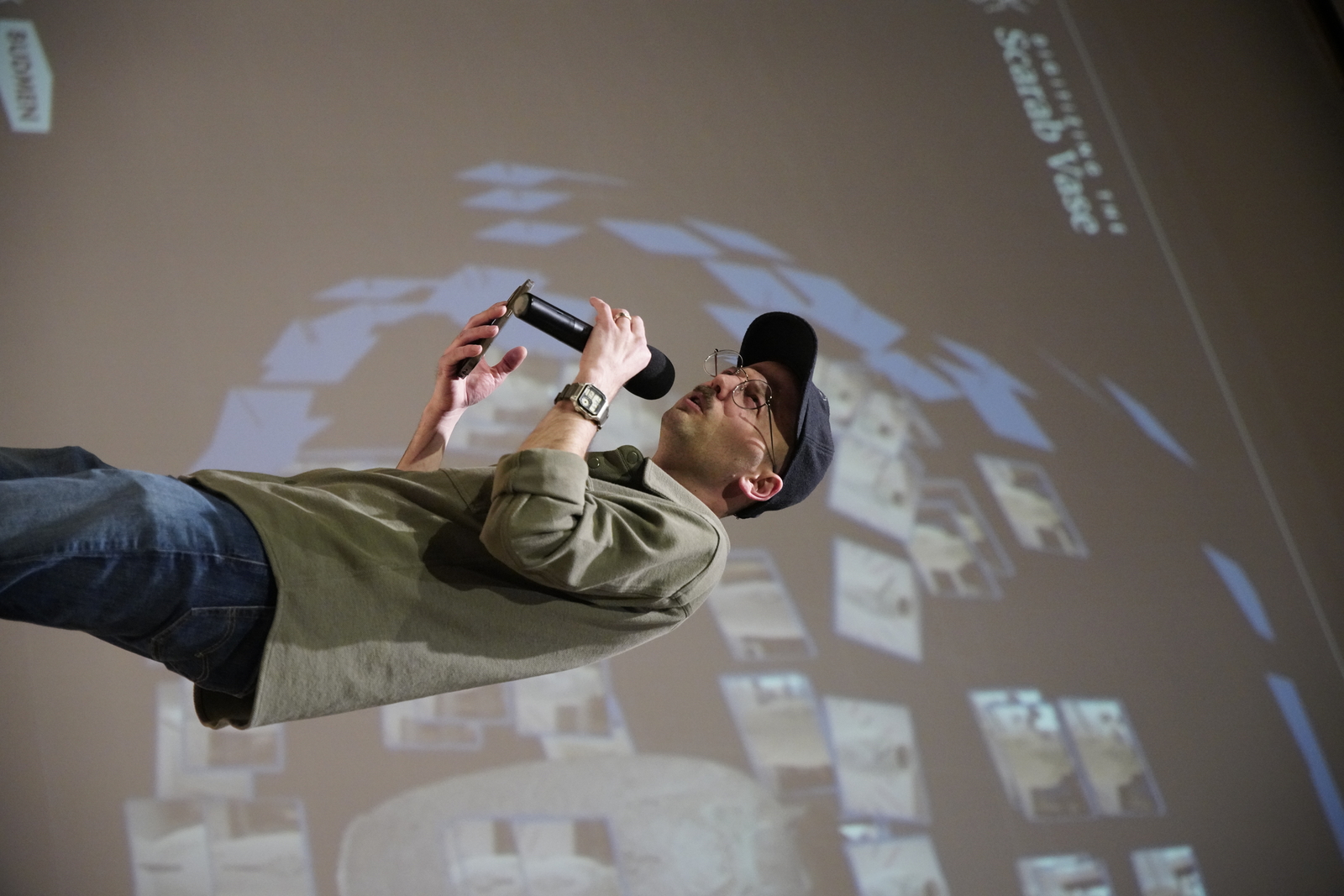
The Method: Isaac walking the room through how they scanned the Scarab Vase in total darkness when every proven approach failed
The Story: The Scarab Vase pattern projected at scale during a recent stop on the tour
The Practice: Evaluating a finished Scarab Vase replica together — applied curiosity in the studio, not on stage
01 / 05
Question 02What happens in the room
If you've sat through the standard reading-and-Q&A, you already know how it ends: a polite room, a few signed books, nobody changed. Stephanie and Isaac do something else.
They bring real prototypes — including the failed ones — and walk the audience through them out loud. Including the part most people leave out.
A moment from the talk
A few years back we asked: what if you could print food?
Begin the story→
Food Printer · 7 beats · ~2 min
It's the thing that, weeks later, the people who attended will be telling their colleagues about.
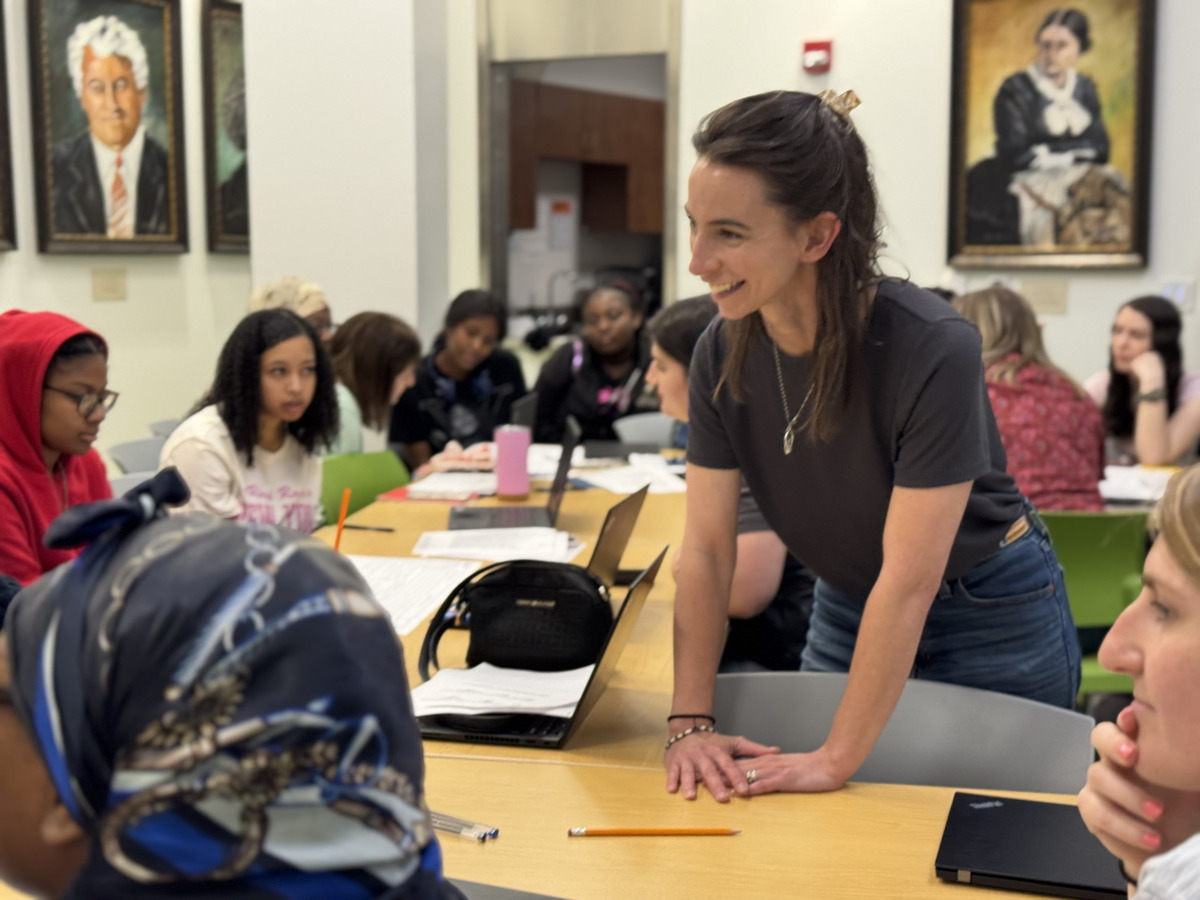
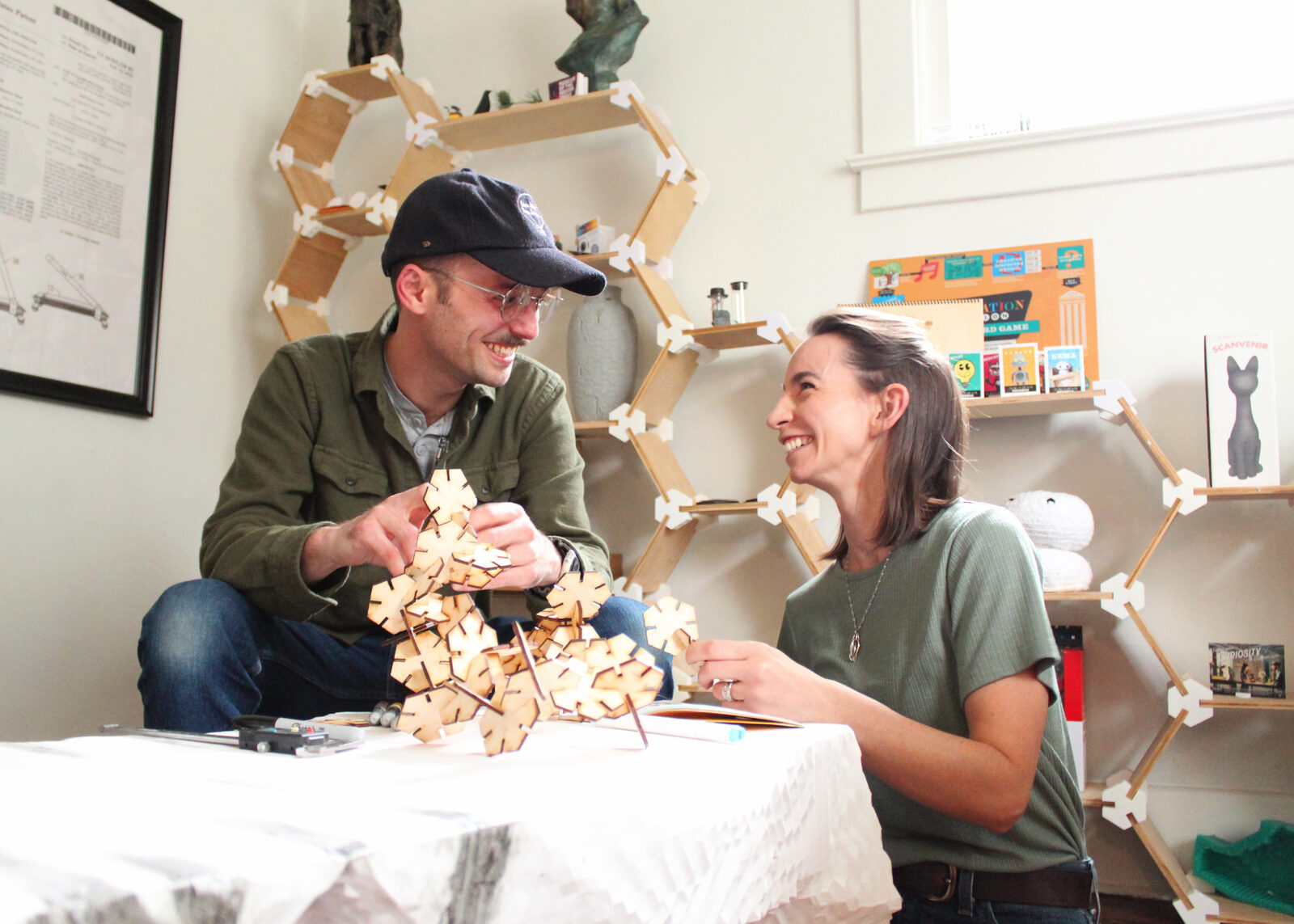
Working Session: Stephanie with a visiting student cohort earlier this year — what "interactive talk" actually looks like
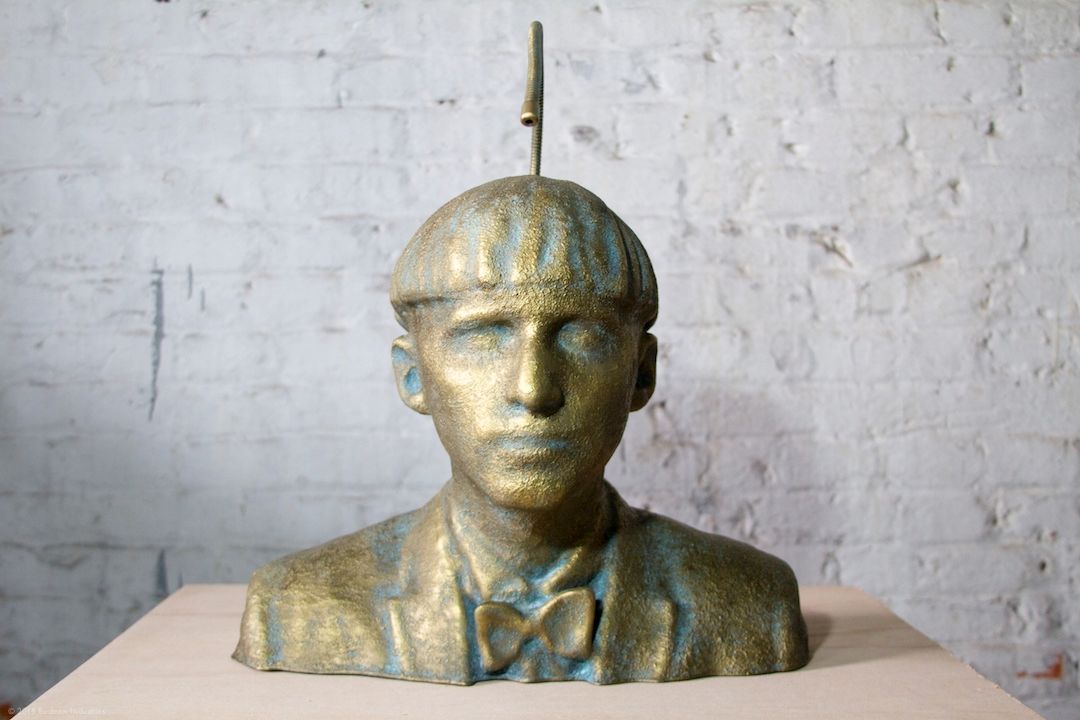
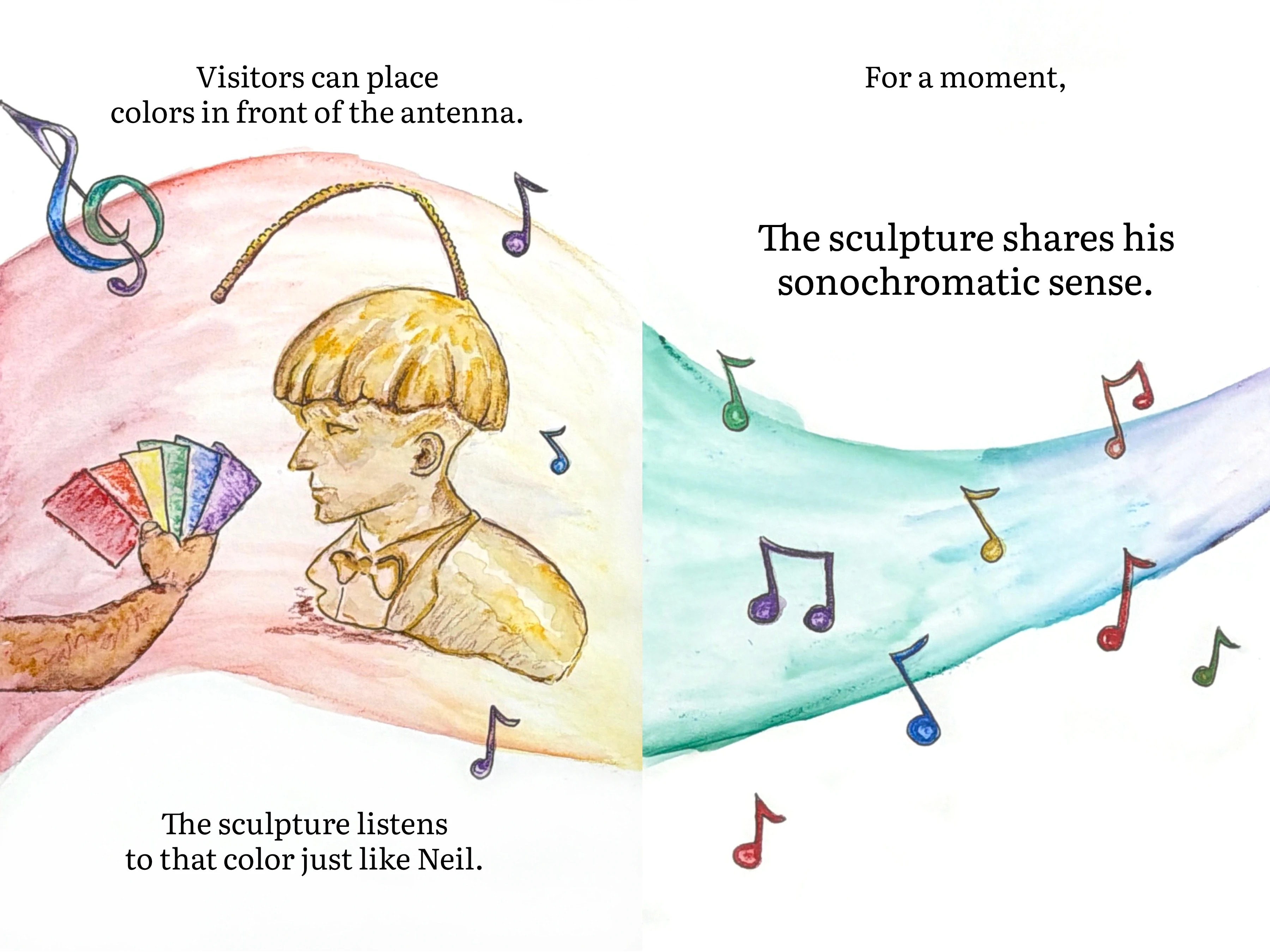
The Sculpture: The interactive bust of Neil Harbisson — the world's first recognized cyborg — built in collaboration with Neil for the Smithsonian
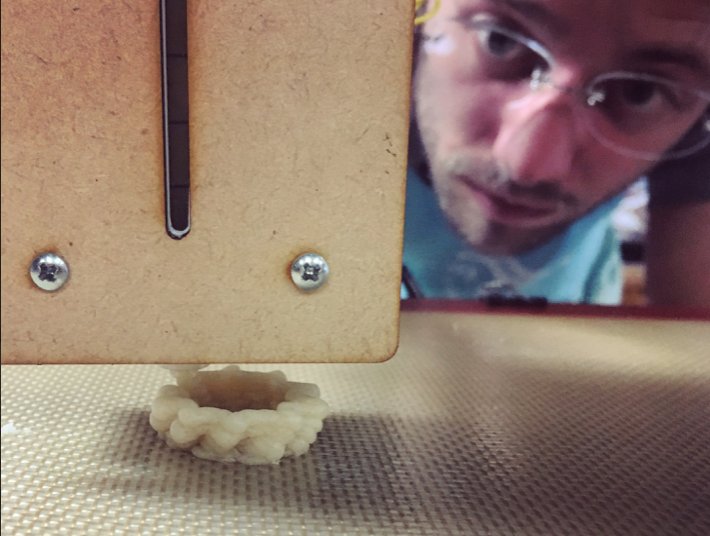
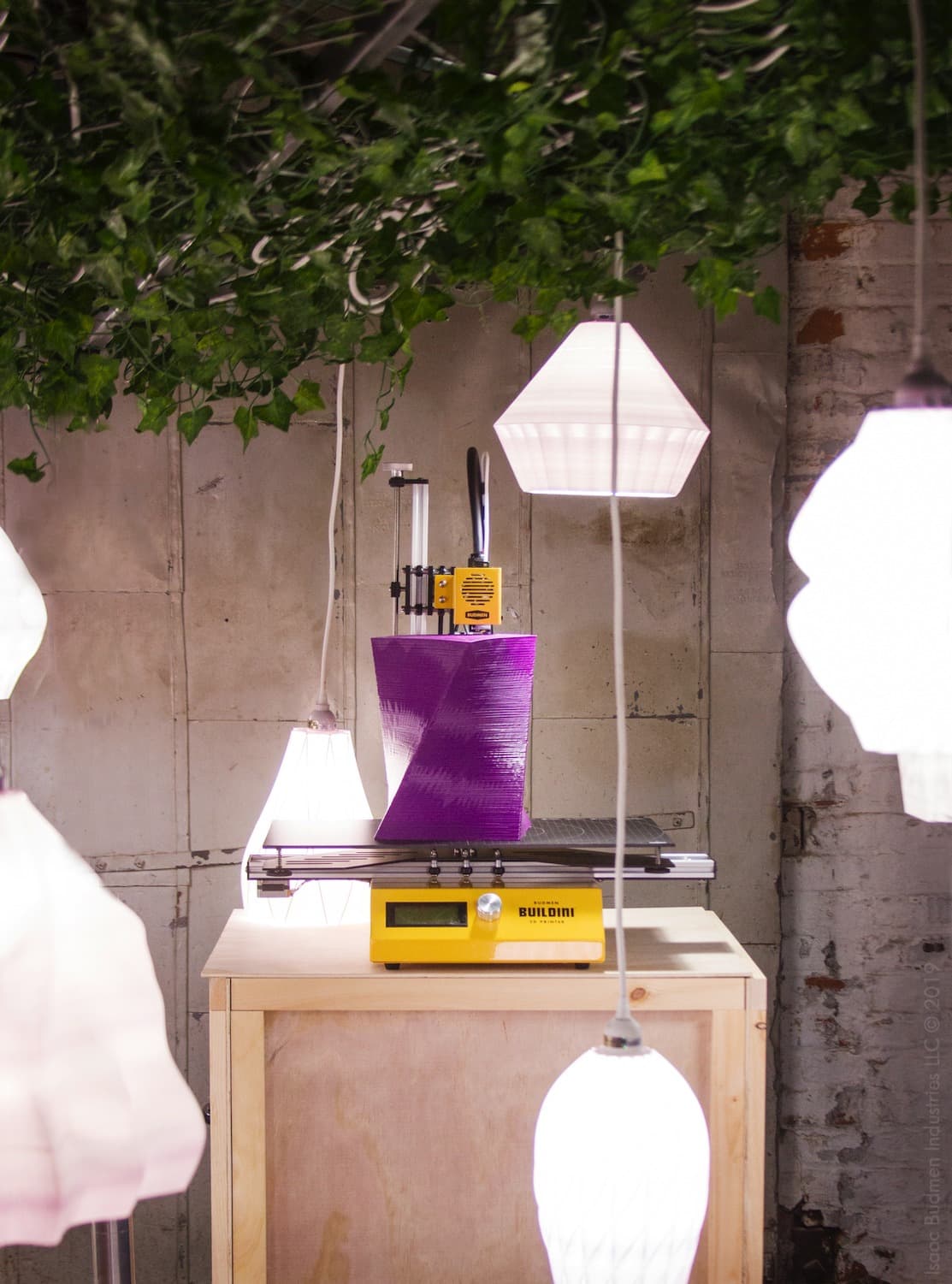
The Printer: The Buildini — a 3D printer they designed and shipped — printing one of a series of lamps in the studio
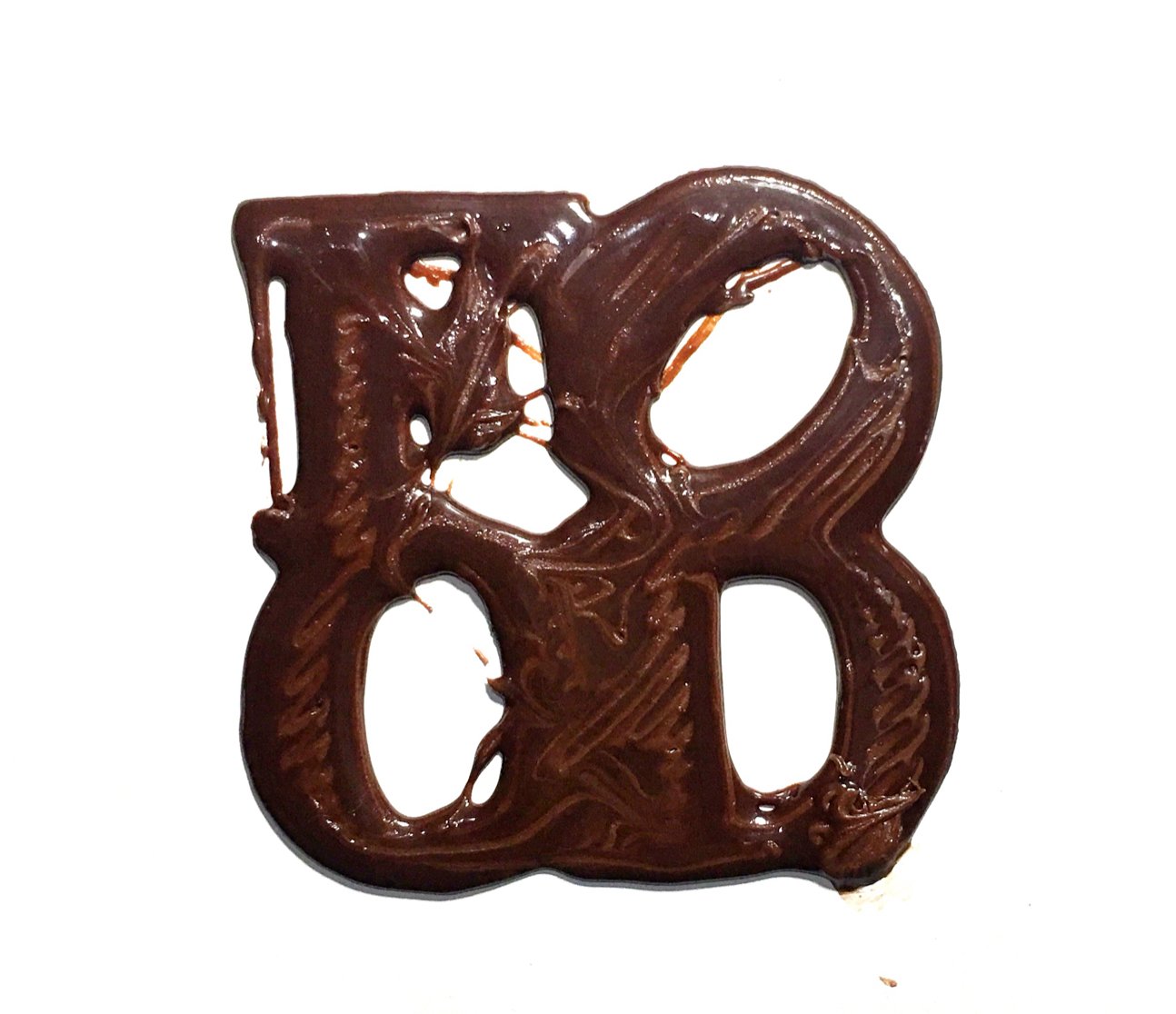
Exhibit A: The chocolate BB. The food printer worked. The logo did not.
01 / 04
Question 03Would this fit your community
Every event is shaped to the audience. Common shapes:
An evening keynote
60 minutes, 100–800 people
Story-driven talk built around real prototypes. Best for evening programs, member events, festival slots.
A university lecture with a hands-on exercise
90 minutes, 30–100 students
Talk plus a short exercise where students apply the first two steps of the method to their own questions.
A working session for staff or fellows
3–4 hours, 15–40 people
Deep dive using real challenges your group is facing as the workshop material.
Or something else. Most stops are some combination tailored over a single email — tell us what your community needs.
Question 04How to move this forward
Without making it another project on your plate.
We know how this usually works. You're interested, but you have to send it to a director, a committee, or a programming chair before you can say yes. The gap between "I'm interested" and "I had time to write the internal pitch" is where most bookings die.
So we wrote the internal pitch for you.
⤳ A GIFT FOR YOUR INBOX
Forward this paragraph. We wrote it so you don't have to.
Stephanie + Isaac Budmen are touring their new book Applied Curiosity in 2026, and I'd like to bring them to our community. They're inventors, designers, and educators whose work has been exhibited at the Smithsonian, the Met, and the London Science Museum, and whose distributed face-shield network during the pandemic produced 3.5 million shields across 8,000 households. Their event isn't a standard reading — they bring real prototypes, including the ones that failed, and turn the room into a working session. They have limited stops remaining for 2026 and I'd like to start a conversation before the windows fill.
Honest pricing
Most stops land between $6,000 and $18,000, depending on travel, format, and whether you'd like a workshop alongside the keynote. We've worked with budgets smaller than that — tell us yours and we'll tell you honestly whether we can make it work.
What we need from you
Projection, a basic PA, and a room. We bring our own mics, our own prototypes, and our own books for the signing. You know your community best — we trust your promotional strategy and follow your lead.
Stephanie & Isaac Budmen In the studio · Syracuse, NY
A few years back we asked: what if you could print food?
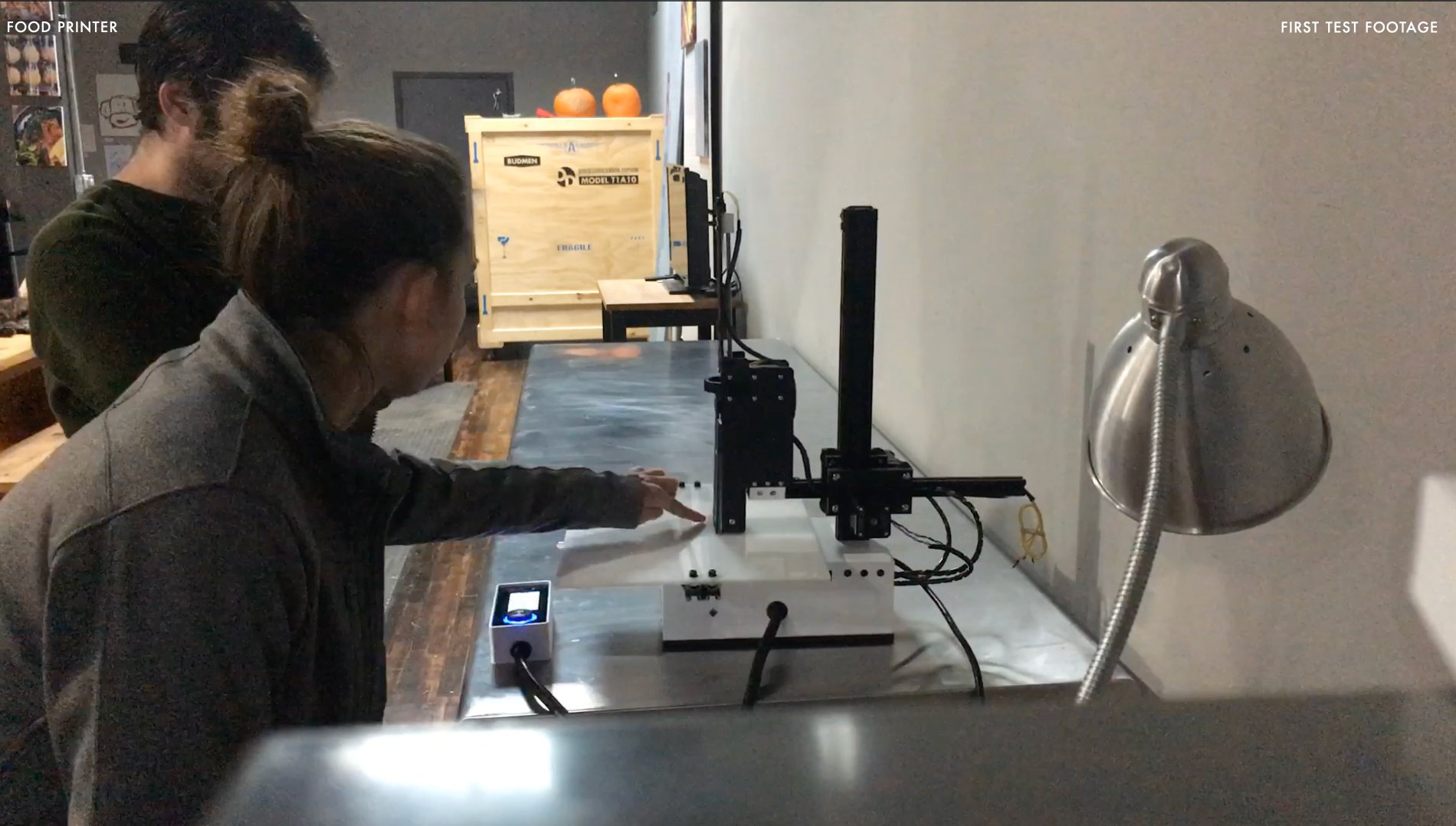
There weren't any food printers on the market.
So we had to invent one.
Food Printer · First Test
Moment 02 / 07
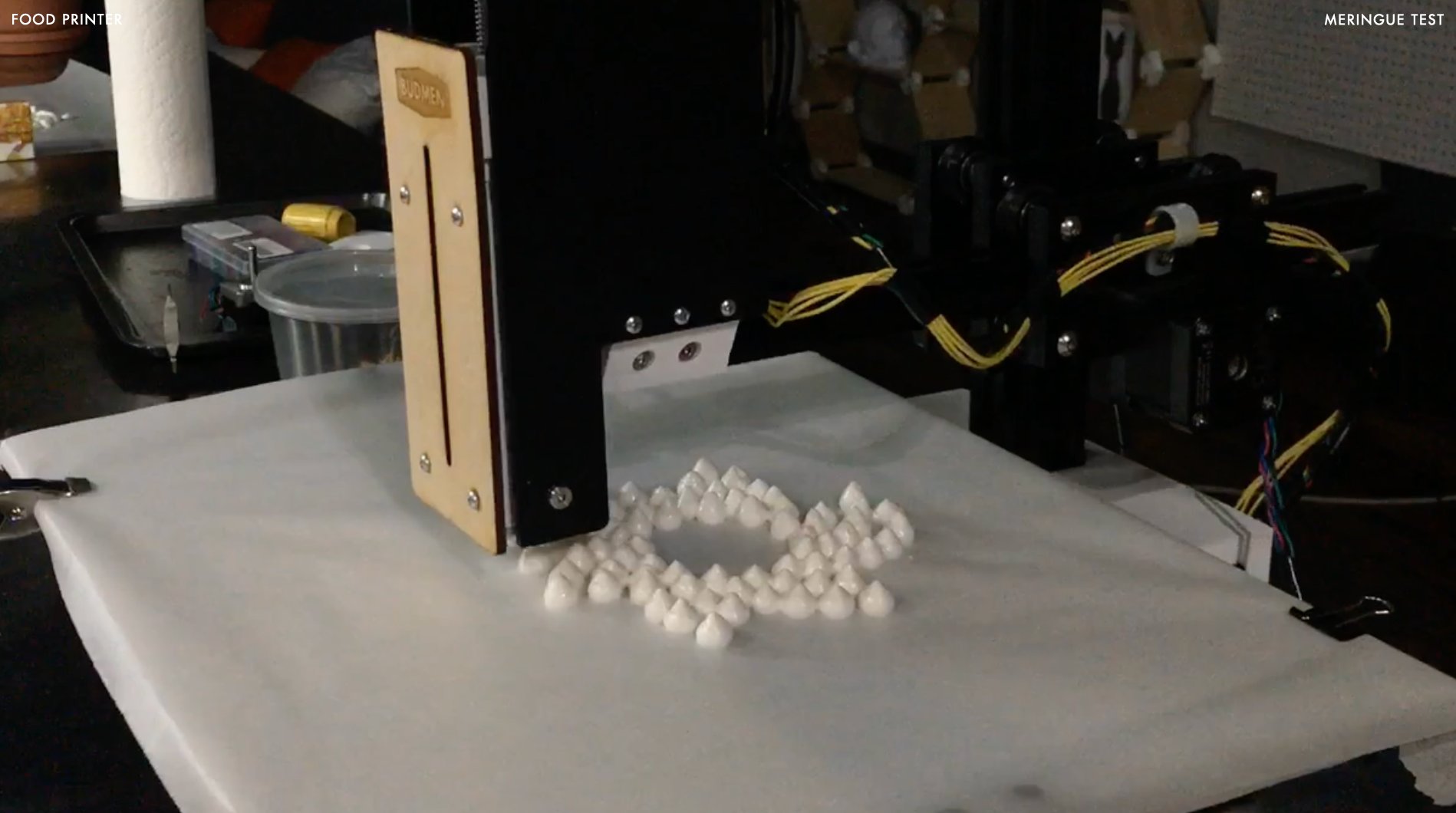
We figured we should calibrate.
We'd never printed food before. We should test. We should be careful.
But we couldn't wait. So we just loaded it up and went for it.
Food Printer · Meringue Test
Moment 03 / 07
It actually worked.
We loaded chocolate frosting and hit go. Fully expecting a glitch.
It printed the outlines. Started the infill. This never happens. It worked on the first try.
We held our breath. We leaned in. And —
"That looks like shit."
— What we said when we leaned in
Food Printer · Pie Crust, Take One
Moment 05 / 07
So we celebrated.
The printer worked. The structure held. We'd just made a thing that didn't exist an hour ago.
So what happened to the surface? Was it the temperature? The ingredient?
What if we tried pie crust?
Moment 06 / 07 · The Why
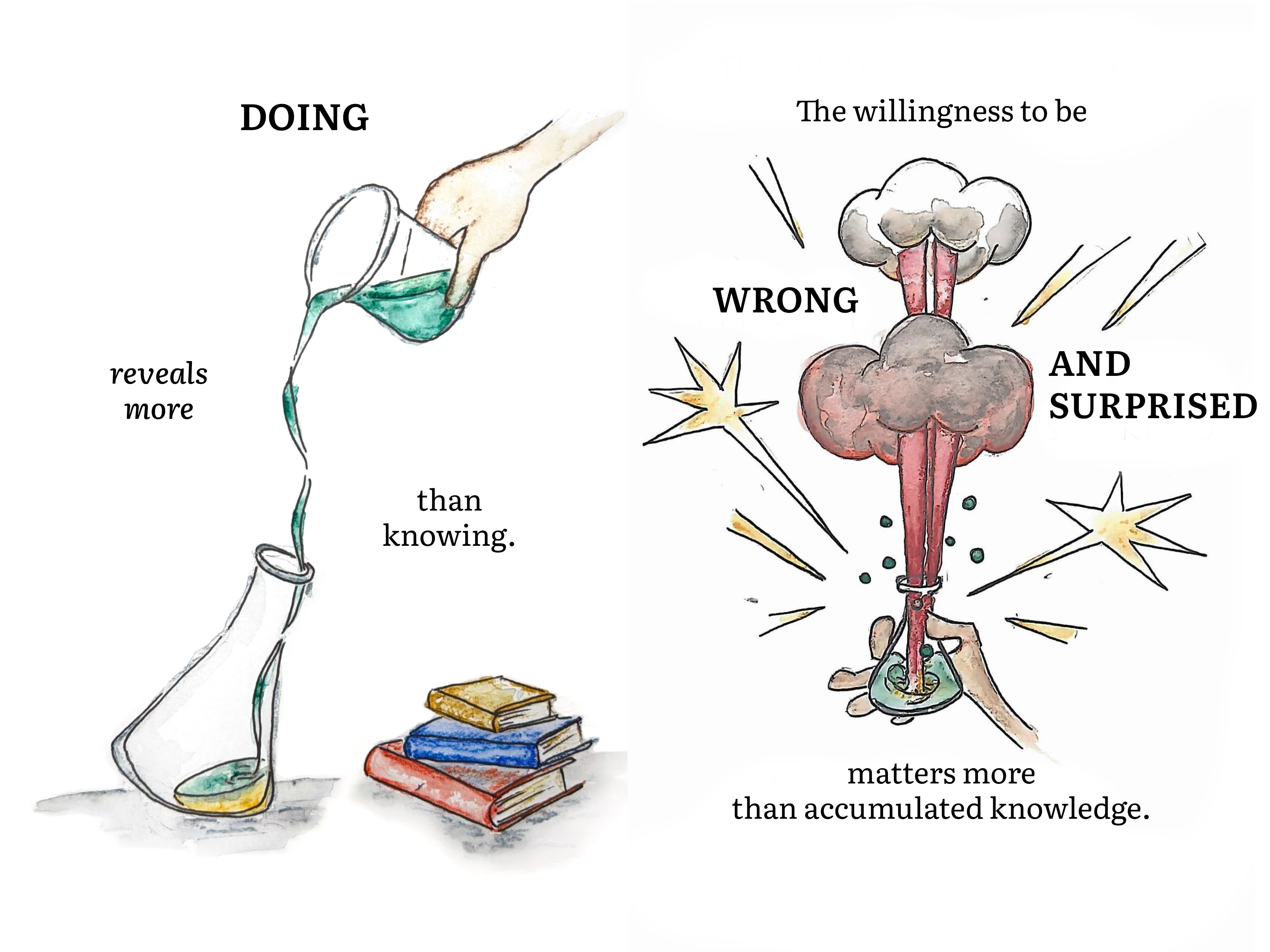
This is the moment of every Budmen project — the moment the "failure" becomes the next ten questions.
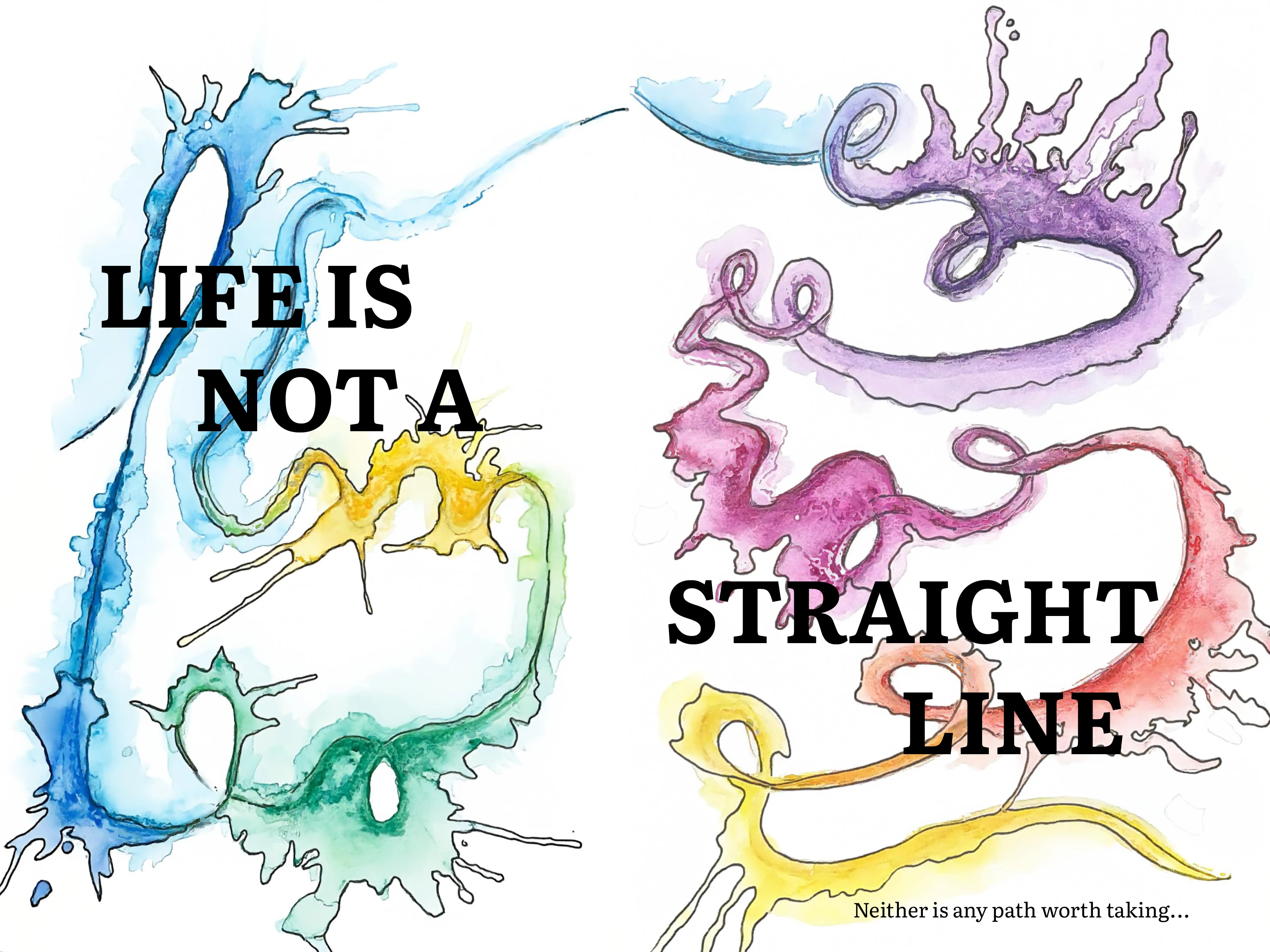
Life is not a straight line is one of the ten principles in the book. This is what living it actually feels like in the room. By the time we finish telling this story on stage, the audience has stopped performing competence and started wondering what they could try if the failure was the fun part.